
If you were just in a car accident, you may be wondering why your neck feels stiff, your head is pounding, or your lower back aches more today than it did yesterday. That’s not unusual. The hours and days after a collision are often when pain starts to peak — not right away at the scene.
At Pinnacle Chiropractic, we’ve helped patients across Arlington, Smokey Point, Marysville, and Snohomish County recover from auto injuries for over 34 years. We know how disorienting this time can be, and we want to give you a clear path forward. These 5 steps will help you find pain relief after a car accident and protect your long-term health.
Why Car Accident Pain Is Different (And Why It Demands Prompt Attention)
Car accidents put a sudden, violent force through your body — even at low speeds. Your spine, muscles, ligaments, and discs can all absorb that impact in ways that don’t always show up on the surface right away.
Common injuries we see after auto accidents include:
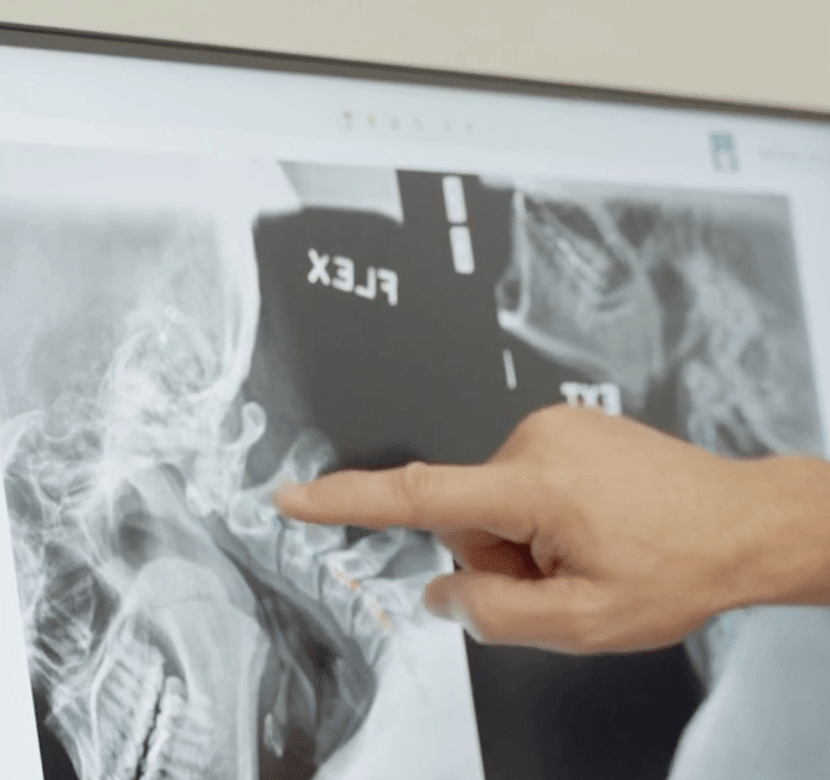
- Whiplash — a sudden snapping of the head forward and back that strains soft tissues in the neck and upper back
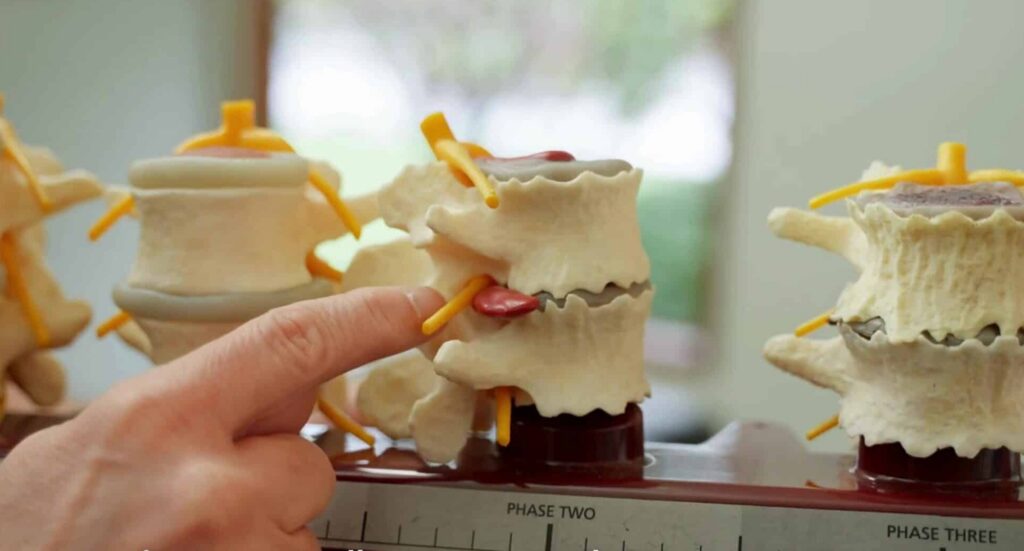
- Herniated or bulging discs — vertebral discs pushed out of position by impact forces, often causing nerve pain
- Neck pain and stiffness — from muscle strain, ligament damage, or spinal misalignment
- Back pain— particularly in the lower back, from compressed vertebrae or jarred joints
- Headaches — often cervicogenic, meaning they originate from tension or misalignment in the neck
- Shoulder pain — from bracing during impact or seatbelt force
One important thing to understand: adrenaline and inflammation can mask pain for 24 to 72 hours after a crash. Many patients feel okay at the scene, then wake up the next morning barely able to turn their head. This is why taking action early — before you “wait to see how you feel” — makes a real difference in how completely you recover.
Ignoring symptoms or relying solely on pain medication treats the discomfort without addressing the structural issues underneath. That’s how short-term pain turns into long-term problems.
5 Steps to Find Pain Relief After a Car Accident
Step 1: Seek Professional Care Within 24–72 Hours (Even If You Feel “Fine”)
The most important thing you can do after a car accident is get evaluated promptly — even if you feel okay right now.
A chiropractic evaluation goes beyond what a quick ER visit typically covers. Rather than simply screening for fractures or prescribing pain medication, your chiropractor will assess:
- Spinal alignment — identifying any vertebrae that shifted during impact
- Soft tissue and nerve function — checking for muscle guarding, reduced range of motion, and early nerve involvement
- Your full symptom picture — including delayed-onset pain patterns that are common with whiplash and disc injuries
This matters for two reasons. First, early treatment produces better outcomes. Spinal misalignments and soft tissue injuries respond more easily to care before scar tissue and compensation patterns set in. Second, your documentation matters — chiropractic records establish a clear, dated timeline of your injury, which is important if you’re filing a PIP (Personal Injury Protection) claim or working with an attorney.
At Pinnacle Chiropractic in Arlington, we offer auto injury treatment specifically for accident victims, and we work with most insurance providers. You can also learn more in our blog post, Should I Go to a Chiropractor After a Car Accident?
Don’t wait to see how bad it gets. Call us at 360-659-8464 to get evaluated.
Step 2: Control Inflammation in the First 48–72 Hours
Once you’ve been seen by your chiropractor, there are steps you can take at home to manage pain and slow down the inflammation process.
Ice vs. Heat — getting this right matters:
- First 48–72 hours: Ice only. Apply an ice pack (wrapped in a thin cloth) to painful areas for 10–15 minutes at a time, with at least 45 minutes between applications. Ice reduces acute swelling and numbs the area.
- After 72 hours: Transition to heat. A heating pad or warm compress helps improve circulation, relax tight muscles, and promote tissue repair.
Many people instinctively reach for heat first — but during the acute phase, heat can actually increase inflammation and worsen swelling. Stick with ice early on.
Other at-home steps that help:
- Rest, but not total bed rest. Gentle, supported movement — like slow short walks — is better than lying completely still. Total inactivity can cause muscles to stiffen and slow healing.
- Support your sleep position. If you’re sleeping on your side, place a pillow between your knees to reduce spinal rotation. Back sleepers should place a pillow under the knees to reduce lumbar tension. Avoid sleeping on your stomach if you have neck pain.
- Stay hydrated. Soft tissue healing depends on proper hydration. Aim for adequate water intake throughout the day.
- OTC anti-inflammatories (brief use). NSAIDs like ibuprofen can take the edge off short-term, but they don’t fix spinal misalignment or structural injury. Use them as a bridge — not a strategy.
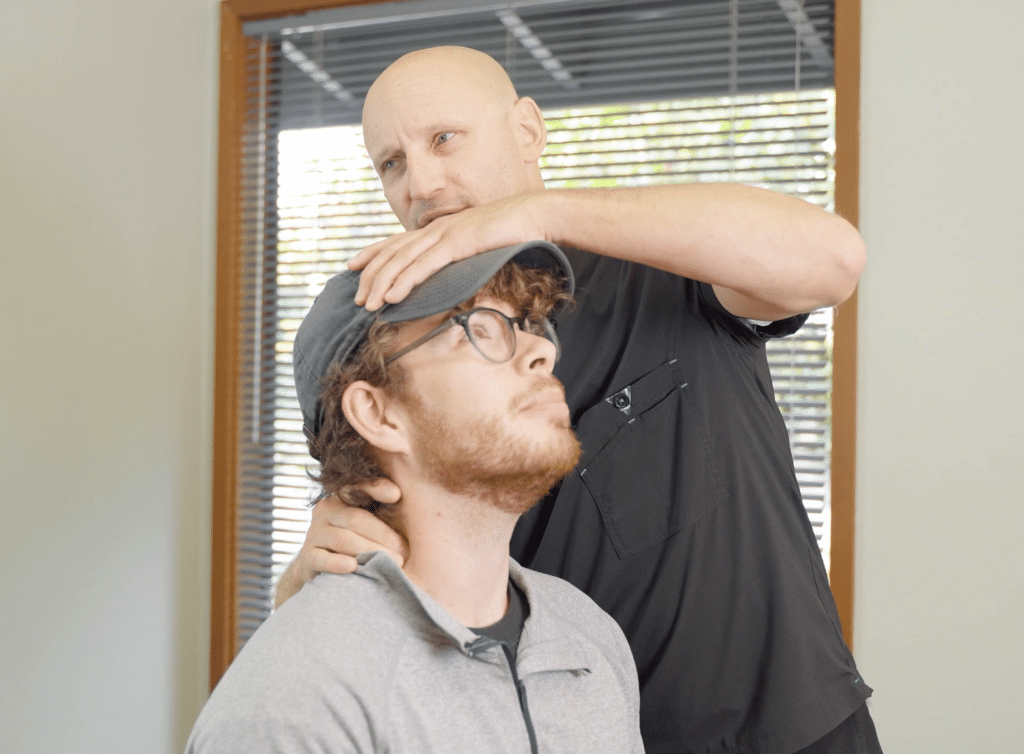
Step 3: Get Chiropractic Adjustments to Restore Spinal Alignment
This is where real, lasting recovery begins.
When your body takes a crash impact, vertebrae in the spine can shift out of proper alignment. Even small misalignments create nerve irritation, muscle guarding, and restricted movement — and your body often compensates by tightening surrounding muscles, which creates its own cycle of pain and stiffness.
corrects those misalignments by restoring proper position to the spine and joints. When your spine is aligned, pressure is reduced on nerves and discs, blood flow improves, and your body can begin healing the way it’s designed to.
Techniques commonly used for auto injury recovery at Pinnacle Chiropractic include:
- Spinal manipulation — targeted adjustments to restore joint motion and reduce nerve irritation
- Instrument-assisted adjustments — a gentler, low-force technique ideal for patients in the acute phase of recovery
- Flexion-distraction therapy — particularly effective for herniated or bulging discs, gently decompressing the spine without high force
- Soft tissue and myofascial release — addresses muscle tension, trigger points, and adhesions that build up after trauma
- Traction therapy
- — decompresses the spine and reduces pressure on injured discs and nerves
What to expect: Most patients experience some mild soreness after the first one or two adjustments — similar to the feeling after a workout. This is normal and typically resolves within 24 hours. Within the first few visits, most patients notice improved range of motion and reduced pain levels.
Recovery typically follows three phases:
- Acute phase (weeks 1–3): Focus on pain control, inflammation reduction, and gentle joint mobilization
- Corrective phase (weeks 3–8): Restore proper alignment, muscle balance, and spinal stability
- Stabilization phase (8+ weeks): Reinforce healthy posture and movement patterns with home exercises and periodic check-ins
Step 4: Follow a Structured Rehabilitation Plan
Chiropractic adjustments correct spinal alignment — but the muscles and ligaments around your spine need to be retrained to support and hold that correction. Without rehabilitation, many patients feel better initially only to relapse weeks later.
Your chiropractor will introduce targeted rehab exercises once your acute pain is managed, typically around weeks 2–4.
A post-accident rehabilitation plan at Pinnacle Chiropractic typically includes:
- Targeted stretching — addressing stiffness and restoring range of motion in the neck, shoulders, and lower back
- Strengthening exercises — rebuilding the muscles that support your spine and stabilize injured joints
- Posture rehabilitation
- — many accident victims develop compensatory posture habits that create secondary pain in the weeks that follow; correcting these early prevents new problems from developing
- At-home exercise guidance — specific movements you can do between appointments to accelerate healing and maintain progress
Poor posture and weak supporting muscles are two of the main reasons car accident injuries become chronic. A structured rehab plan addresses both, and the difference between patients who follow through with rehab and those who skip it is significant in terms of long-term outcomes.
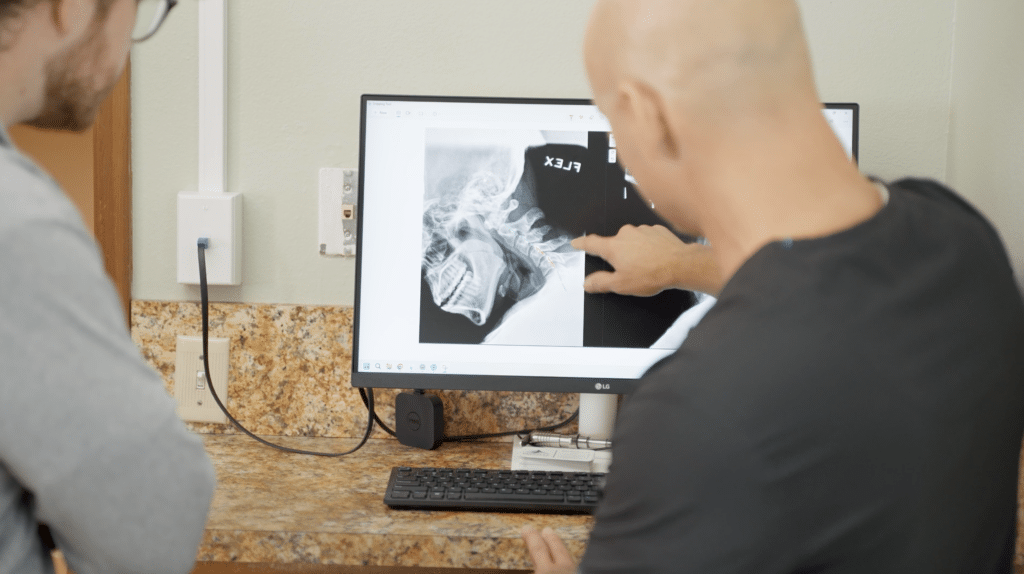
Step 5: Don’t Stop When You Feel Better — Address the Root Cause
This is the step most people skip — and it’s often why they end up back in pain six months later.
Feeling better is not the same as being fully healed. Once acute pain fades, it’s tempting to assume you’re done and stop care. But underlying misalignment and tissue damage can still be present, and without completing the corrective phase of treatment, you’re at higher risk for re-injury and chronic pain patterns.
Long-term consequences of stopping care too early include:
- Re-injury from the same area because supporting muscles are still weak
- Chronic neck or back pain that develops gradually over months
- Degenerative disc changes that accumulate over time from persistent misalignment
- Headaches and shoulder tension that become recurring rather than resolving
Completing your recovery means:
- Finishing your prescribed treatment plan — not just until you feel okay, but until your chiropractor confirms structural and functional goals have been met
- Addressing contributing lifestyle factors: posture at work, sleep quality, and activity levels
- Maintaining periodic check-ins to catch any recurring issues early
At Pinnacle Chiropractic, we tell patients: the goal isn’t just to get you out of pain — it’s to get you back to your full life without the threat of that pain returning. That’s the standard we hold our care to.
Why Arlington Residents Choose Pinnacle Chiropractic After a Car Accident
Patients across Arlington, Smokey Point, and Marysville turn to Pinnacle Chiropractic after auto accidents for a few key reasons:
- 34+ years of experience treating auto injury patients in the Arlington and Snohomish County area — Dr. Woodbury knows these injuries and how to address them effectively
- Specialized auto injury care — we understand the mechanics of crash-related trauma and tailor treatment plans accordingly, rather than applying a generic approach
- Clear documentation support — our records help patients navigating insurance claims and personal injury cases
- Holistic approach — we treat the root cause of your pain, not just the symptoms. We want to get you well, not keep you dependent on care
- A welcoming, patient-focused team — from your first call to your final appointment, our staff genuinely cares about your outcome
Here’s what one of our patients said after being rear-ended:
“Dr. Woodbury really took the time to explain everything and made me feel comfortable from day one. The treatments have made a huge difference.” — Ivan T., Google Review
Ready to Start Your Recovery? We’re Here to Help.
If you’ve been in a car accident in Arlington, Smokey Point, Marysville, or anywhere in Snohomish County, don’t wait to see how your pain progresses. The sooner you get evaluated, the better your recovery outcome — and the stronger your documentation if insurance is involved.
Recovery from a car accident is absolutely possible. With the right care and the right team, most patients recover fully and return to the life they had before the accident. That process starts with a single step.
Get a Free Consultation at Pinnacle Chiropractic in Arlington, WA
New patients can take advantage of our free consultation offer to get evaluated, discuss your symptoms, and find out exactly what care you need. There’s no obligation — just answers and a clear plan.