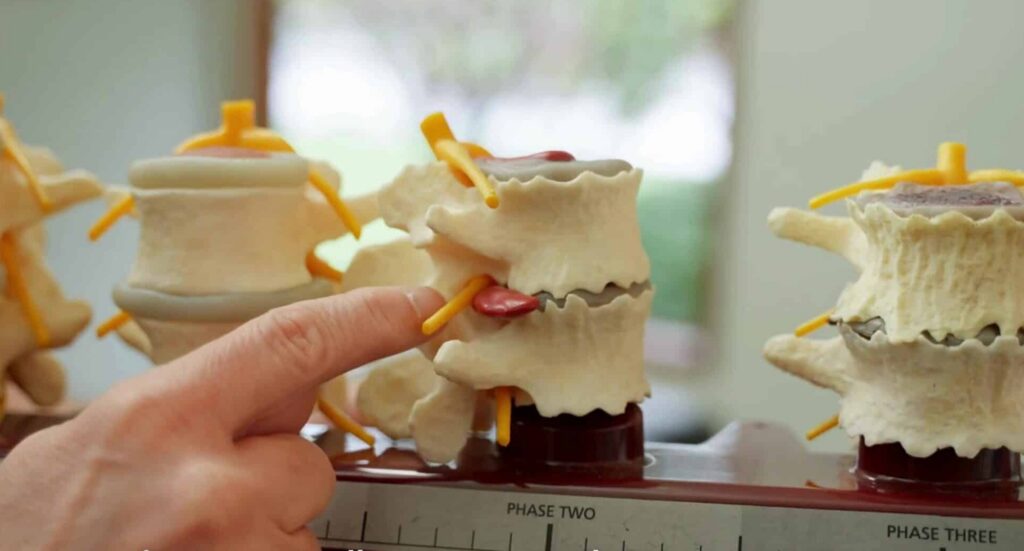


If your head seems to drift forward when you sit, work, or scroll, you are not alone. Forward head posture is common, but the good news is that you can improve it with the right mix of awareness, movement, and habit changes.
What forward head posture is
Forward head posture happens when your head sits in front of your shoulders instead of being stacked over them. That forward shift can change how your neck, upper back, and shoulder muscles work throughout the day.
A simple way to picture it is this: your head is meant to balance over your spine, but when it moves forward, the neck has to work harder to hold it up. Over time, that extra strain can make posture feel more tiring and uncomfortable.
What it looks like
Common signs include ears sitting in front of the shoulders, a chin that juts forward, rounded shoulders, and a more slouched upper back. Some people notice it most in photos, while others feel it as tightness or stiffness long before they see it.
Common symptoms
Forward head posture often shows up with neck pain, shoulder tension, upper-back stiffness, and headaches. Some people also feel fatigue after sitting at a desk or using a phone for long periods.
Why it happens
This posture pattern is often linked to long hours of sitting, screen time, phone use, weak deep neck muscles, tight chest muscles, and poor workstation setup. It can also develop after pain or injury changes the way you move and hold your body.
How to start correcting it
The best way to improve forward head posture is to combine posture awareness with mobility and strength work. Stretching alone may help temporarily, but the bigger goal is to teach your body a new default position.
Wall posture checks
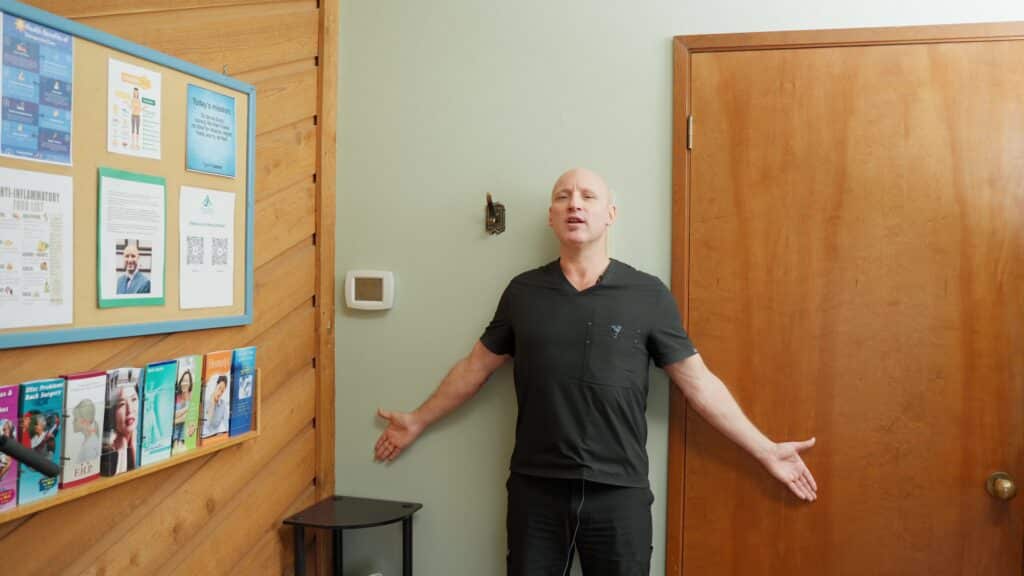
A wall check is a simple way to see how your body stacks up. Stand with your heels, butt, upper back, and head near a wall, then notice whether your head naturally wants to stay forward or tuck back.
This is not about forcing a perfect position. It is about building awareness so you can notice when your posture slips during the day.
Now, doing that once or twice doesn’t necessarily make a difference, but if you make that a habit in your day to day activities, that can really help counteract the effects of bad posture throughout the day – Dr Ryan Woodbury
Upper-back mobility work
If your upper back is stiff, your neck often overworks to compensate. Gentle thoracic mobility drills, such as lying over a rolled towel or doing controlled upper-back extensions, can help restore easier movement.
You can also try shoulder blade movements and wall angels if they feel comfortable. The goal is to open up the upper body so your neck does not have to do all the work.
Mobility and stretching balance
Mobility work helps reduce stiffness, while stretching can ease tight chest and shoulder muscles. But if you only stretch and never strengthen, the posture usually comes back. Our Whiplash exercises can help with most neck pain issues.
A balanced plan includes movement, strength, and daily awareness. That is usually what makes the difference between temporary relief and real change.
Daily habits that support change
Posture is not just about exercise. The way you sit, look at your phone, and set up your workspace can either support progress or undo it.
Screen and desk setup
Try to keep your monitor near eye level and your chair set so you are not reaching your head forward toward the screen. Break up long sitting sessions with short standing or walking breaks every 30 to 45 minutes.
Even small improvements matter. Better screen height and fewer long, fixed positions can reduce how often your neck gets pulled out of alignment. Tech neck can big a big problem for at home workers, office team and honestly everyone nowadays in Arlington and all over Washington.
Phone and laptop habits
Phones are one of the biggest drivers of forward head posture because they encourage you to look down for long stretches. When possible, raise the device closer to eye level and avoid staying in one position too long.
Laptop use can create a similar problem if the screen is too low. If you work from a laptop often, an external keyboard and monitor can make posture much easier to maintain.
When home care is not enough
Home exercises can help many people, but they are not always enough on their own. If your posture keeps slipping back or your symptoms are becoming more frequent, it may be time for an evaluation.
Signs you should get evaluated
You should get checked if you have pain that keeps returning, headaches linked to neck tension, reduced neck motion, numbness, or symptoms that worsen instead of improve. It is also worth getting evaluated if your posture feels hard to control even when you are trying to sit upright.
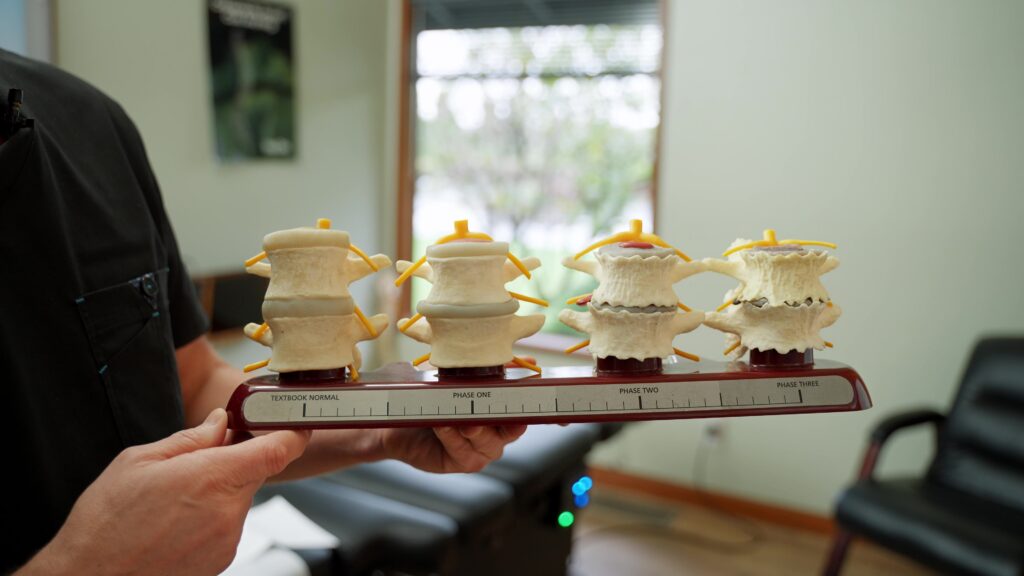
When symptoms are persistent, there may be more going on than simple tight muscles. A deeper look at joint motion, muscle balance, and movement habits can help identify the real driver.
Chiropractic care for forward head posture
Chiropractic care can be helpful when forward head posture is tied to stiffness, joint restriction, muscle imbalance, or recurring neck pain. At Pinnacle Chiropractic, that usually means looking at the whole pattern rather than just one painful area.
Personalized care versus generic advice
Generic posture tips can be a good starting point, but they do not always address your specific problem. Some people need more mobility work, some need strengthening, and others need help restoring better neck and upper-back mechanics.
A personalized plan is usually more effective because it matches your body, symptoms, and daily routine. That can include chiropractic adjustments, soft tissue work, corrective exercises, and ergonomic advice.
What results to expect
Improving forward head posture usually takes consistency, not perfection. Most people notice better awareness, less tension, and easier movement before they see a dramatic visual change.
The more regularly you practice the habits, the more likely the change will stick. Think of it as retraining your body, not forcing it into place.
FAQ about correcting forward head posture
Can forward head posture be corrected?
Yes, forward head posture can often be improved with a combination of mobility work, strengthening, better daily habits, and professional care when needed. The earlier you address it, the easier it is to change.
What is the fastest way to fix forward head posture?
The fastest short-term help usually comes from chin tucks, upper-back mobility, and reducing long periods of screen time. For lasting results, those exercises need to be paired with posture and workstation changes.
When should I see a chiropractor for neck posture?
You should see a chiropractor if your posture is causing pain, headaches, stiffness, or symptoms that keep returning despite home care. A chiropractor can help assess whether mobility restrictions, muscle imbalance, or mechanics are contributing to the problem.
Ready to improve posture?
If forward head posture is making your neck feel tight or your upper back feel stiff, a personalized chiropractic evaluation can help you figure out the next best step. A focused plan is often the difference between temporary relief and steady progress.